IAIN Opens Technical Committee Secretariat in Shanghai
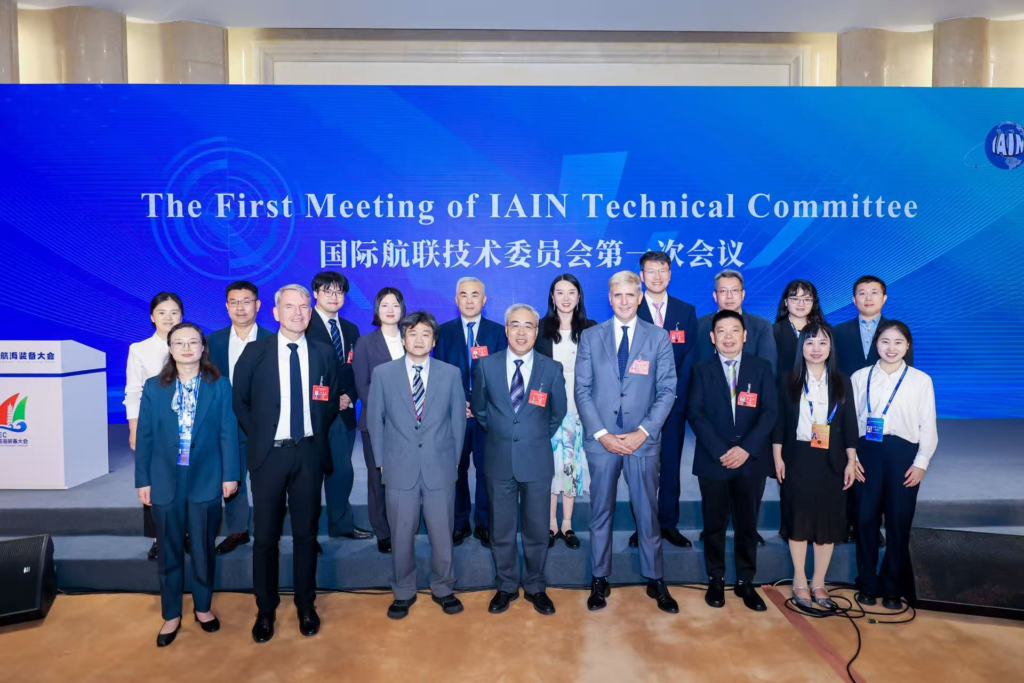
SHANGHAI, Oct. 17 —The International Association of Institutes of Navigation (IAIN) inaugurated the secretariat of its Technical Committee in Shanghai on 17 October, a move aimed at putting the committee into standardized operation and strengthening institutional cooperation on navigation technology.
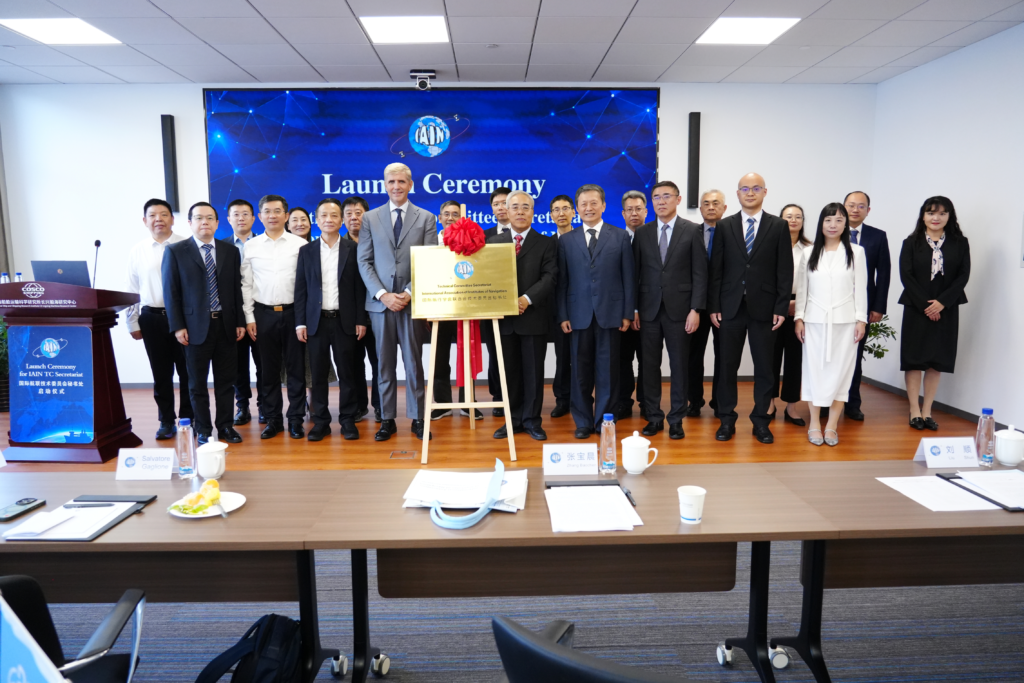
Unveiling Ceremony of the IAIN Technical Committee Secretariat
The secretariat is hosted at the Shanghai Changxing Shipping and Marine Research Centre of Shanghai Ship and Shipping Research Institute.
The plaque was unveiled jointly by Zhang Baochen, president of IAIN and chair of its Technical Committee; Salvatore Gaglione, senior vice president of IAIN; Liu Shun, secretary-general of the China Institute of Navigation; and Yuan Meng, assistant to the general manager of the Science and Technology Innovation Headquarters of China COSCO Shipping Corporation Limited.
Representatives from the State Key Laboratory of Maritime Technology and Safety, Shanghai Jiao Tong University, Shanghai Maritime University, Dalian Maritime University, ITS China, the Transport Planning and Research Institute of the Ministry of Transport, China Classification Society Shanghai Branch, the Shanghai Institute of Navigation, and Huayang Maritime Center Co., Ltd. attended the ceremony.
According to the organizers, the inauguration marks a further step in cooperation between IAIN and China’s navigation community and is intended to support an open international platform for shipping science and technology exchange.
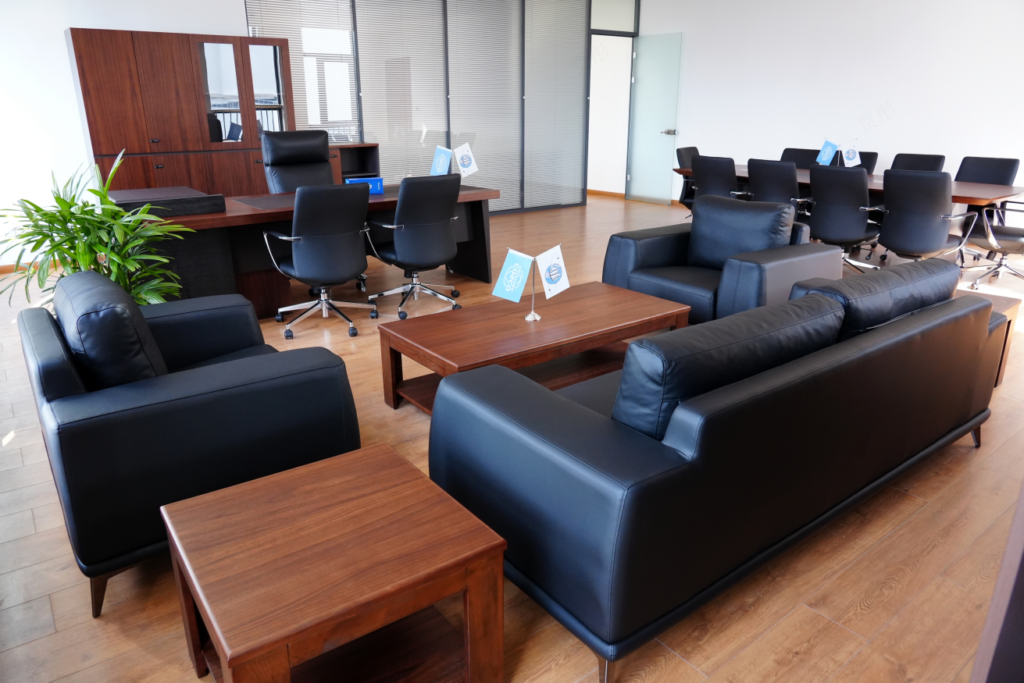
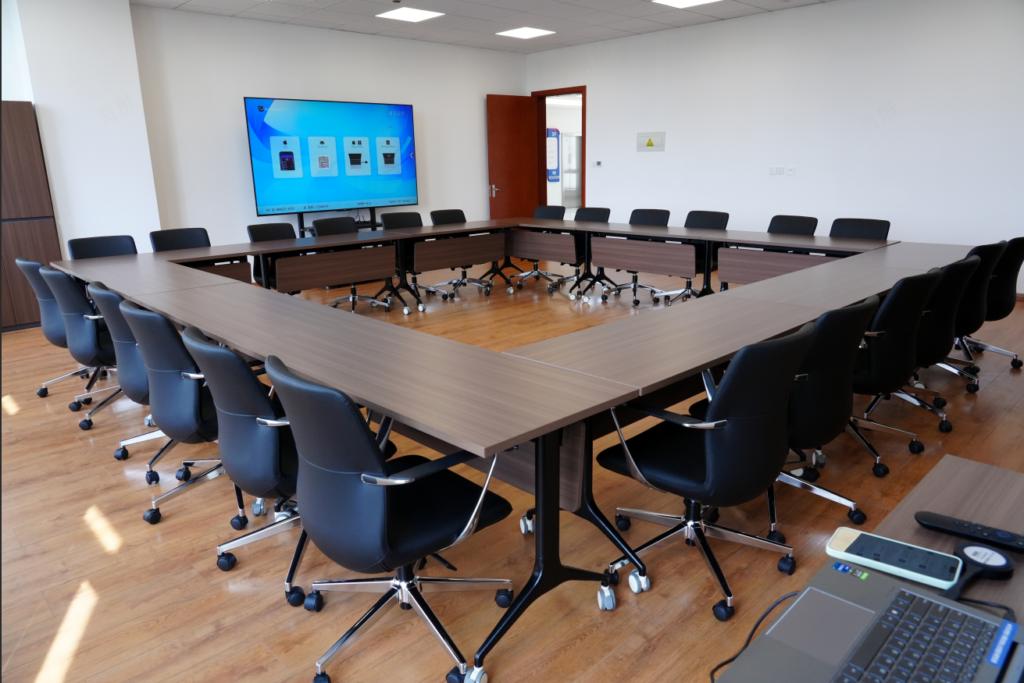
Offices of the IAIN Technical Committee Secretariat
The Shanghai ceremony followed three IAIN meetings held in Fuzhou:the second Officers’ Committee meeting of 2026,the first plenary meeting of the Technical Committee and the International Symposium on Technical Standards for Navigation of MASS. At the symposium, IAIN released its first technical standard, Terminology for Ship Autonomous Navigation Technology. Focusing on maritime autonomous surface ships (MASS), the standard comprises seven modules and 103 terms, including 44 terms drawn from the IMO MASS Code and 59 additional terms developed in light of industry practice.
International Symposium on Technical Standards for Navigation of MASS Held in Fuzhou
On October 16, 2026, the International Symposium on Technical Standards for Navigation of MASS was held. The symposium was themed “Technical Standards: Key Enabler for Global R&D, Application and Operational Safety of MASS.” It was hosted by the International Association of Institutes of Navigation (IAIN) and the China Institute of Navigation (CIN).
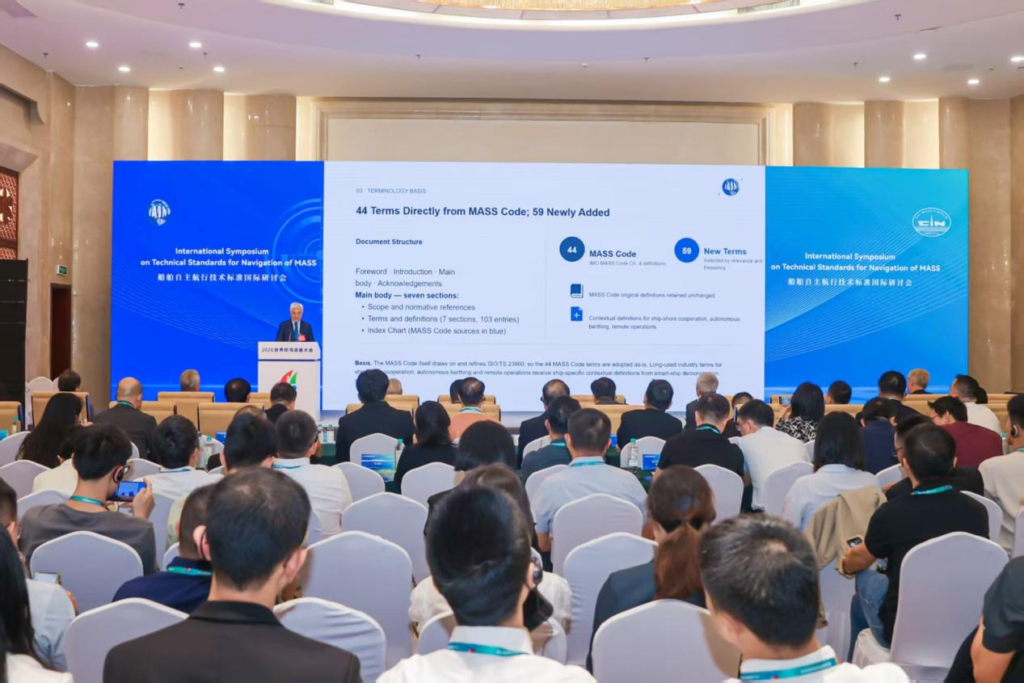
Global shipping is becoming increasingly intelligent, and maritime autonomous surface ships (MASS) are moving from the trial demonstration stage toward commercial application. As IMO MASS-related regulatory instruments gradually take effect, the industry’s demand for technical terminology standards has become increasingly urgent. In response to industry demand, IAIN launched the development of terminology standards for autonomous navigation technology, and the symposium focused on the formulation of this standard.
At the meeting, Zhang Duo, an invited expert of the IAIN Technical Committee, released the Terminology for Ship Autonomous Navigation Technology. The document unifies the definitions of core industry concepts, consolidates the linguistic foundation for subsequent R&D and technical exchange, and represents a key step by IAIN in promoting the standardization and internationalization of MASS.
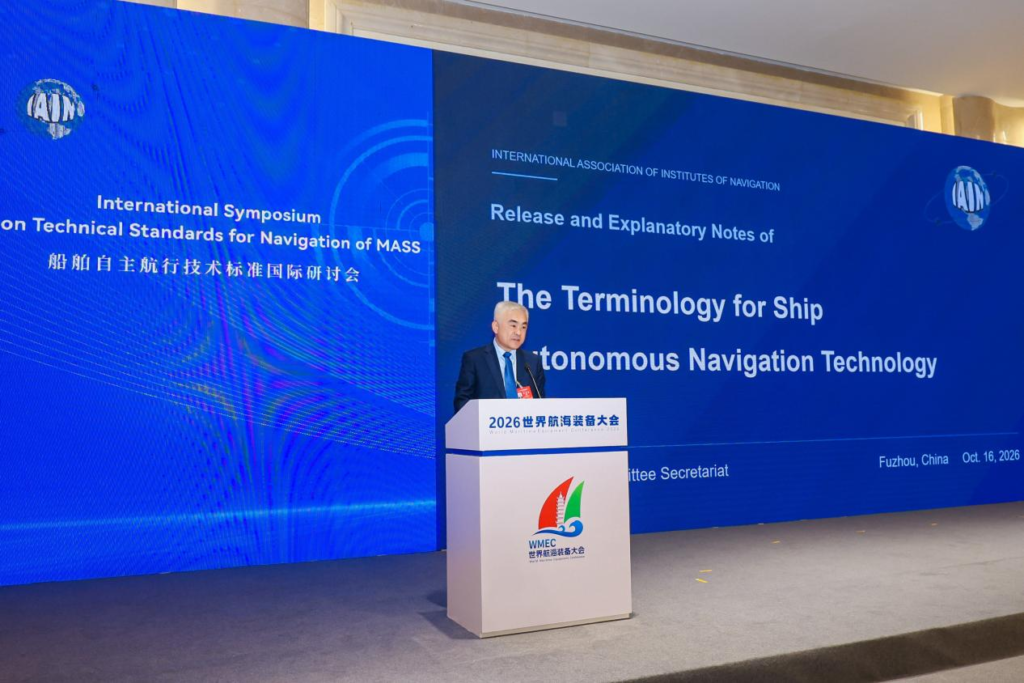
Release of the”Terminology for Ship Autonomous Navigation Technology”
In implementing automation technologies in shipping, research institutions, ship enterprises, classification societies, and regulatory authorities in different countries have differing understandings of emerging technical concepts; developers, operators, and regulators interpret the same terms differently, which creates communication barriers and affects technical documentation, system interconnection, test verification, and compliance assessment. The industry urgently needs a unified terminology system covering R&D, engineering practice, and industrial collaboration to eliminate conceptual ambiguity, improve collaboration efficiency, and build global consensus. IAIN therefore led the research and drafting of this standard, with multiple member institutions participating.
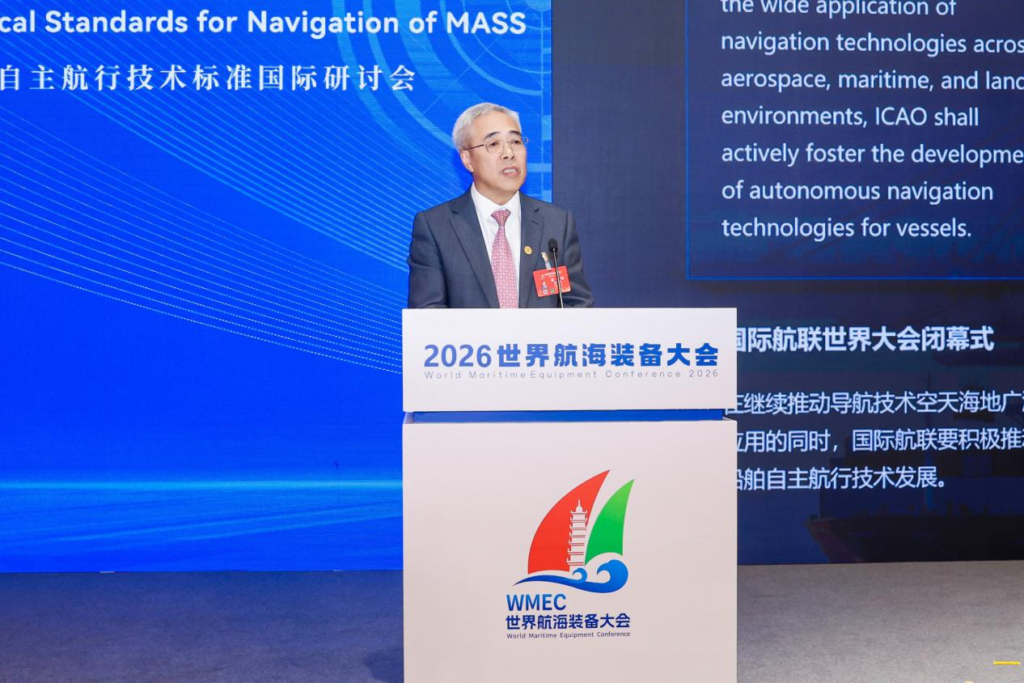
Zhang Baochen
Zhang Baochen, President of IAIN, delivered a keynote speech titled “Technical Standards Are Key to Advancing the R&D, Application and Safe Operation of MASS Worldwide.” He noted that global MASS technology is iterating rapidly and that full-scale demonstrations and commercial trial operations are constantly emerging, but the insufficient supply of technical standards is becoming a prominent bottleneck constraining industrial development. He highlighted three standards needs: first, the qualitative collision-avoidance principles in the International Regulations for Preventing Collisions at Sea, such as “early, substantial, wide and clear,” still need to be further translated into technical criteria applicable to autonomous navigation algorithms; second, maritime perception equipment lacks unified performance indicators for complex marine environments; third, autonomous navigation systems still lack generally accepted quantitative evaluation standards for benchmarking.
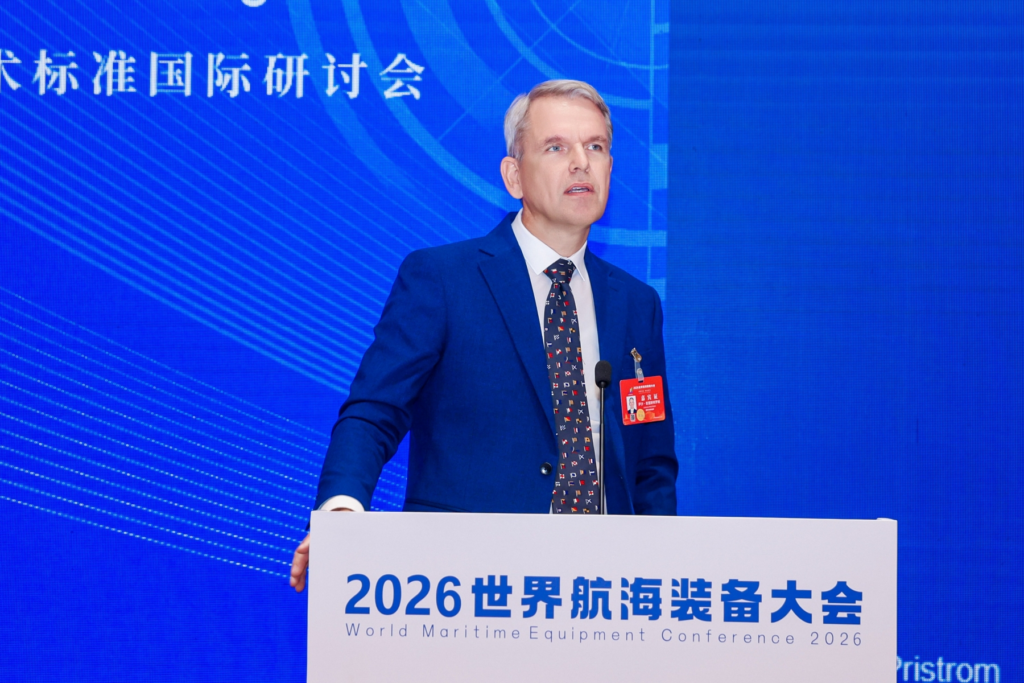
Sascha Pristrom
Sascha Pristrom, Head of Marine Technology and Global Standards at IMO , introduced the regulatory framework of the non-mandatory MASS Code in a speech titled “Autonomous Ships: Paving the Way Through International Cooperation.” According to the presentation, the Code follows a goal-based and technology-neutral approach, with human oversight as the core regulatory principle, and IMO plans to promote the entry into force of a mandatory version in 2032. The current experience-building period is expected to provide a practical basis for the subsequent refinement of the Code, while the mandatory version will be advanced in accordance with relevant IMO plans.
Li Yanqing, Vice President and Secretary-General of the China Association of the National Shipbuilding Industry (CANSI) and Chair of ISO/TC 8 (Ships and Marine Technology), said in a speech titled “Progress and Outlook of ISO Standards for Smart Shipping” that the Smart Shipping Subcommittee of ISO/TC 8 will break down the MASS Code chapter by chapter and transform it into testable and certifiable international standards, promoting the linkage between regulatory rules and full-scale ship inspection and certification.
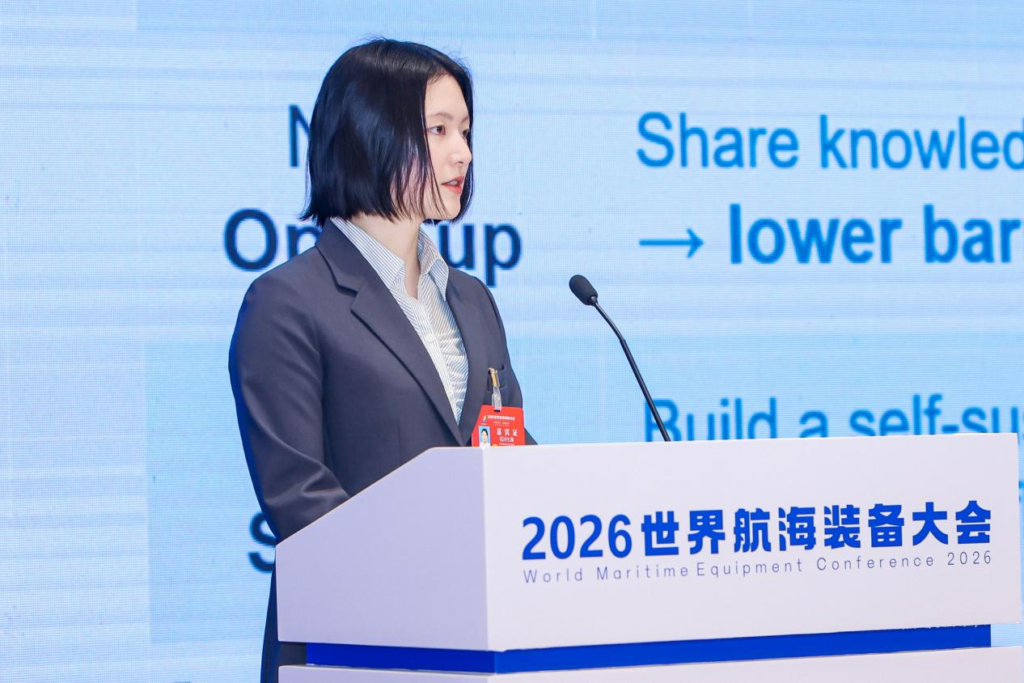
Nanami Ishikawa
Nanami Ishikawa, Captain and Senior Researcher at MTI Co., Ltd., delivered a speech titled “Steering MASS Toward Commercial Reality in Japan.” She shared the practical achievements of the Future Design Alliance for Fully Autonomous Ships . According to her, four autonomous ships in Japan have entered commercial operation, according to the presentation, and Japan is advancing the development of an international standard on a General System Architecture for Autonomous Ships, exploring an open and generic system architecture for autonomous ships.
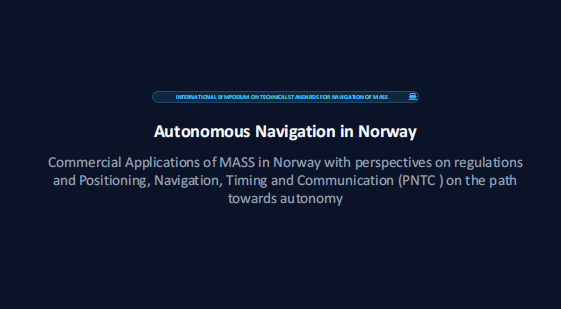
Torleif H. Bryne, Associate Professor at the Norwegian University of Science and Technology (NTNU), referred to projects such as Yara Birkeland and pointed out that highly reliable multi-source perception, redundant communication links, and minimum risk conditions that ensure ship safety under abnormal circumstances are important guarantees for the commercial operation of MASS.
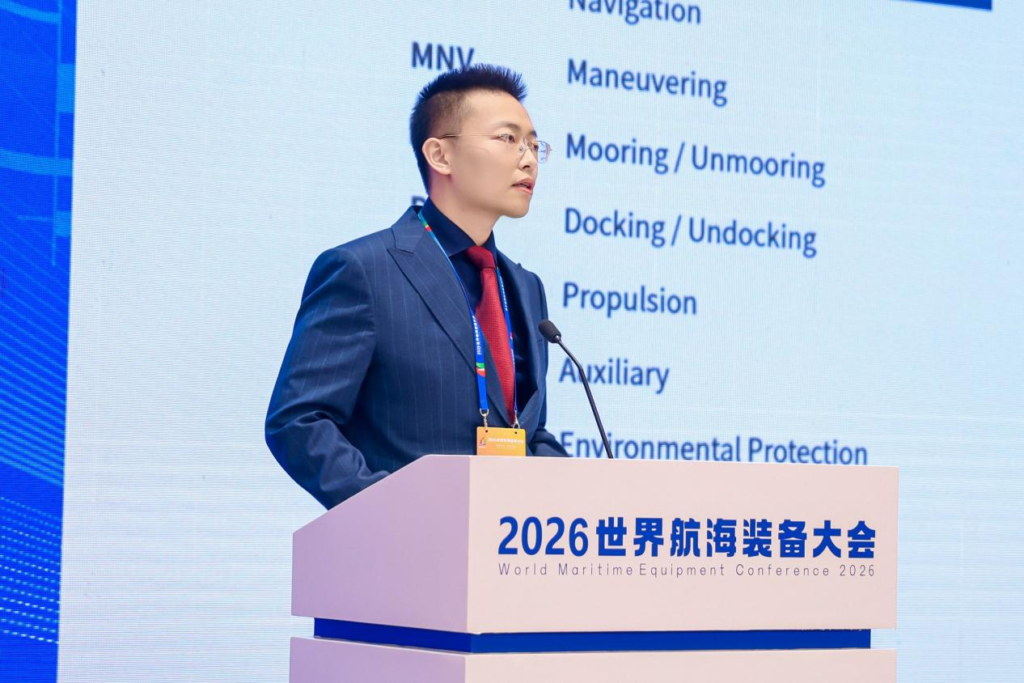
He Ci
He Ci, Senior Engineer at the China Classification Society Shanghai Rules and Research Institute, delivered a speech titled “Classification Society Rule Requirements and Practices for Autonomous Ships.” He reviewed progress by ABS, CCS, DNV, KR and ClassNK in autonomous ship rules. The relevant classification societies are continuously improving technical rules for autonomous navigation and remote-control functions and gradually aligning rule requirements with the IMO MASS Code, providing technical support for rule implementation, ship inspection and certification, and commercial application of autonomous ships.
Shen Hao, Deputy Director-General of the Maritime Safety Administration of the People’s Republic of China (MSA), introduced China’s progress in smart shipping in a speech titled “Policies and Practices for the Development of Smart Shipping in China.” He said that China has gradually established a development layout in which policy, pilot demonstrations, and technical standards are advanced in a coordinated manner, has deeply participated in the formulation of IMO MASS rules, and has steadily advanced full-scale ship pilot projects. He called on all parties worldwide to further strengthen multilateral coordination, use the experience-building period to share full-scale ship operation data, bridge the gap between regulatory rules and industrial practice, and jointly build a safe and inclusive global governance system for maritime autonomous surface ships.
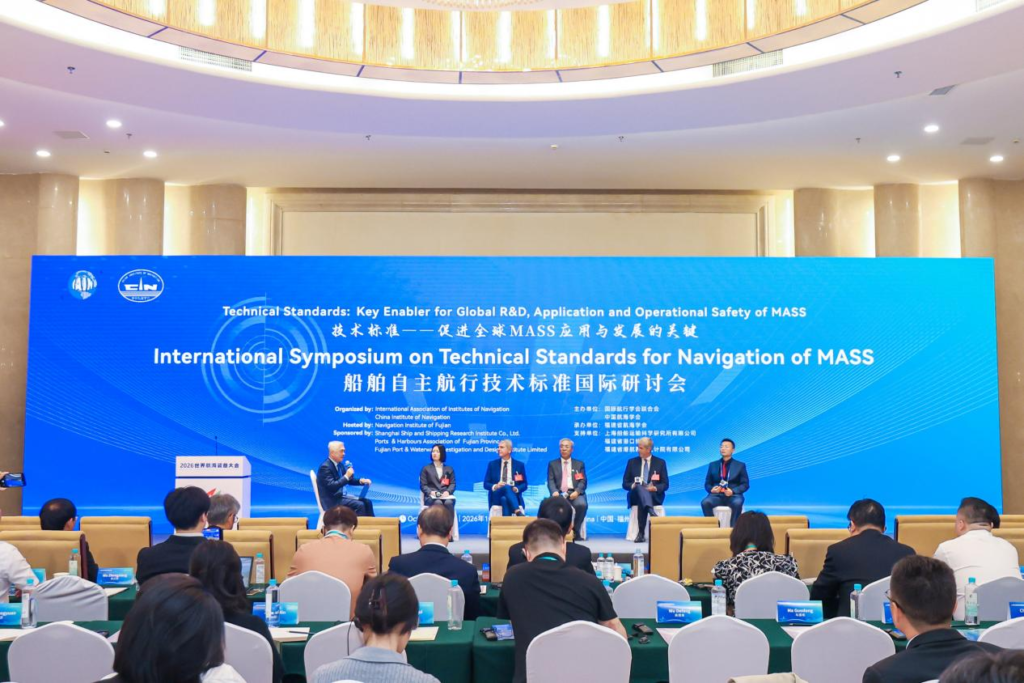
In the panel discussion, experts from IAIN, IMO, and the maritime sector were invited to focus on the latest frontier developments in autonomous navigation technical standards and discussed issues related to accelerating the development of autonomous navigation technology.
Existing rules have established a top-level regulatory framework for global MASS development, but supporting technical details still need further improvement. In the future, all parties should focus on testing and verification, remote control, personnel training, and other areas to strengthen the development of relevant standards, and use actual operational data to support the continuous optimization of rules and standards.
In parallel, IAIN held its 2026 second officers’ meeting and the first meeting of its Technical Committee in a combined online and offline format.
IAIN Technical Committee Issues Circular Letter Seeking Input on Draft Terminology for Autonomous Ship Navigation
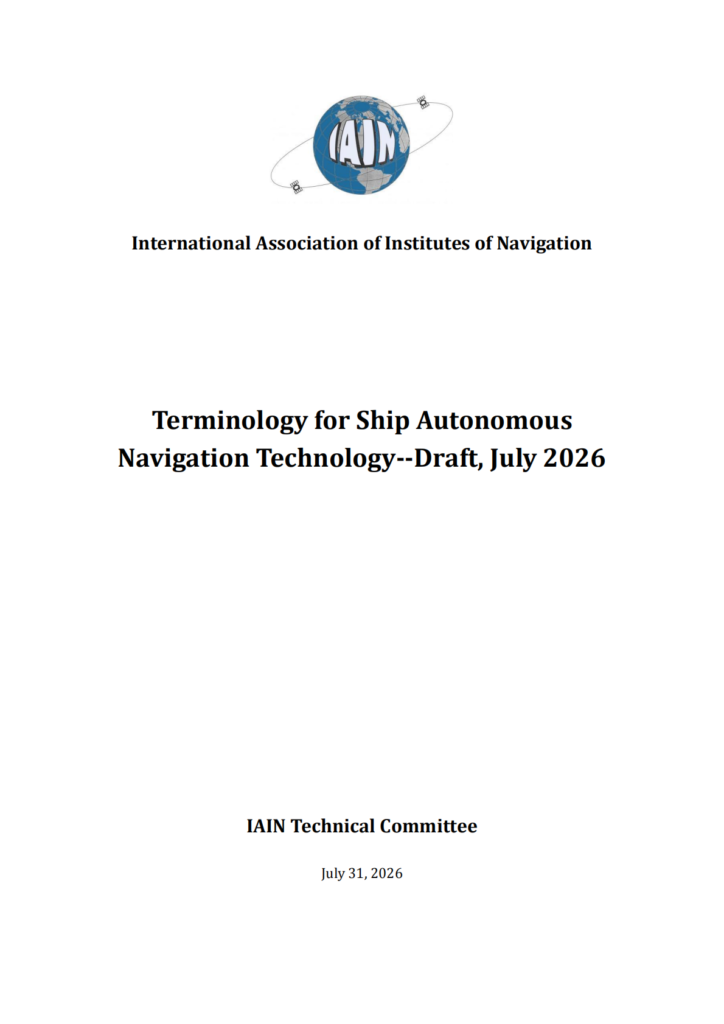
IAIN Technical Committee Issues Circular Letter to Solicit Industry Comments on Draft Technical Terms for Maritime Autonomous Navigation.
The IAIN Technical Committee previously invited all member institutes to submit comments and proposals on the draft of IAIN’s first technical document. To facilitate broader recognition of the document upon publication, the Committee has today released a circular letter via this website to call for feedback on the draft from interested industry organisations and experts.
The circular letter outlines progress in developing the first IAIN technical document which will be submitted to the Technical Committee for formal deliberation in October this year.
Stakeholders may download and review the circular letter and its annex, Terminology for Ship Autonomous Navigation Technology–Draft, July 2026 via the official IAIN website: https://iainav.org/category/news/.
The IAIN Technical Committee encourages all member institutes, interested industry organisations and experts to provide written comments and recommendations on the draft. All constructive feedback will be fully considered in the Committee’s subsequent work. Comments and suggestions concerning the draft may be sent directly to the E-mail: president@iainav.org.
IAIN Officers Meeting Held in Vienna
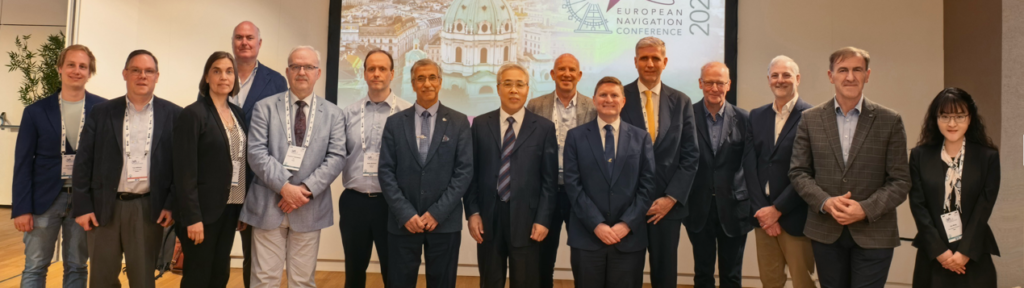
Group photo of participants at the 2026 IAIN Officers’ Meeting
On 27 April, the International Association of Institutes of Navigation (IAIN) held its Officers’ Meeting in Vienna, Austria. The meeting was chaired by IAIN President Prof. Zhang Baochen. Attending the meeting were all officers including the Senior Vice President, Vice Presidents, Secretary General, and Treasurer, as well as IAIN representatives to the International Maritime Organization (IMO), International Civil Aviation Organization (ICAO), International Association of Marine Aids to Navigation and Lighthouse Authorities (IALA), International Hydrographic Organization (IHO), International Committee on Global Navigation Satellite Systems (ICG), International Telecommunication Union (ITU), and the US Positioning, Navigation and Timing Advisory Board (US PNT). Observers from navigation institutes of China, the United Kingdom, Italy,Poland, and the United States also participated.
The meeting received reports on the 2025 financial accounts and the 2026 financial status, the recent activities of IAIN representatives to international organizations, progress on the preparations for the 2027 and 2030 IAIN World Congresses, and the maintenance and operation of the IAIN website. The meeting reviewed and approved the composition of the new IAIN Awards Committee, the formation plan and annual work programme of the Technical Committee. Discussions were held on preparations for the next Officers’ transition next year. It was decided to immediately initiate the nomination process for the next term of Officers, the nomination of rotating members of the Technical Committee, and a consultation on the Technical Committee’s operating rules. The formation of the Technical Committee and the review of IAIN’s first technical standard are to be completed within the year.
The meeting highly commended the achievements made since the previous Officers’ Meeting, including in the participation in intergovernmental international organizations affairs, the establishment and drafting of operating rules for the Technical Committee, the formation of the Awards Committee, the development of a terminology standard for autonomous ships, and the content maintenance and operation of the IAIN website.
It was decided that a second Officers’ Meeting and the first meeting of the Technical Committee will be held within the year.
IMO Seeks Heroes: Nominations Open for Exceptional Bravery Award
IMO is currently accepting nominations for exceptional acts of bravery performed at sea during the period 1 March 2025 to 28 February 2026. Nominations may also involve displays of extraordinary seamanship skills in very difficult conditions or any other acts of outstanding courage at sea. The nomination form can be submitted by any IMO Member State, intergovernmental organization in cooperation with IMO and non-governmental organization in consultative status with IMO. Please note the deadline for submission is 31 March 2026. Further information, including the Guidelines and the nomination form in Word format, can be found in the links below in the three working languages of the Organization:
Background information
Following the Council’s decision, at its 125th session, the Guidelines for the IMO Award for Exceptional Bravery at Sea were revised to reflect the establishment of the three categories of honour: the Award, Certificates of Commendation and Letters of Commendation. Subsequently, the Council approved the revised Guidelines at its 127th session in July 2022 and, as a result, the name of the scheme became the “IMO Honours for Exceptional Bravery at Sea”.
The honours are awarded annually and were established by the Organization to provide international recognition for those who, at the risk of losing their own life, perform acts of exceptional bravery, displaying outstanding courage in attempting to save life at sea or in attempting to prevent or mitigate damage to the marine environment. Such acts of bravery may also involve extraordinary seamanship skills in very difficult conditions or any other display of outstanding courage.
Nominations are scrutinized by an Assessment Panel made up of members of non-governmental organizations in consultative status with IMO, under the Chairship of the Secretary-General or his nominee. Subsequently, a Panel of Judges meets (under the Chairship of the Chair of the Council, with the participation of the Chairs of the Maritime Safety Committee, Marine Environment Protection Committee, the Legal Committee, the Technical Co-operation Committee and the Facilitation Committee) to consider the recommendations of the Assessment Panel and to select the recipient of the Award.
The recipients of the Award and Certificates of Commendation will be invited to attend the IMO Awards Ceremony to receive their accolades in person. Recipients of Letters of Commendation may also attend the ceremony, if they wish – however, their letters will be posted to the nominating authorities, which will be responsible for forwarding/presenting the accolade to the recipients.
Read more at the IMO’s official announcement:
https://www.imo.org/en/ourwork/ero/pages/imohonoursexceptionalbravery.aspx