
IAIN Opens Technical Committee Secretariat in Shanghai
SHANGHAI, Oct. 17 —The International Association of Institutes of Navigation (IAIN) inaugurated the secretariat of its Technical Committee in Shanghai on 17 October, a move aimed at putting the committee into standardized operation and strengthening institutional cooperation on navigation technology.
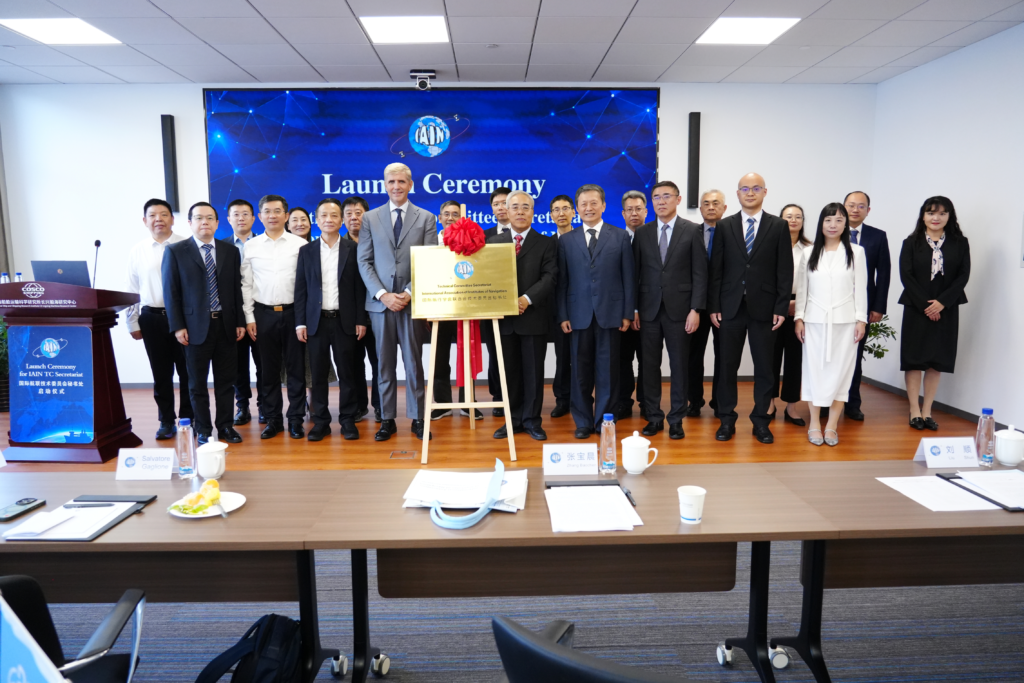
Unveiling Ceremony of the IAIN Technical Committee Secretariat
The secretariat is hosted at the Shanghai Changxing Shipping and Marine Research Centre of Shanghai Ship and Shipping Research Institute.
The plaque was unveiled jointly by Zhang Baochen, president of IAIN and chair of its Technical Committee; Salvatore Gaglione, senior vice president of IAIN; Liu Shun, secretary-general of the China Institute of Navigation; and Yuan Meng, assistant to the general manager of the Science and Technology Innovation Headquarters of China COSCO Shipping Corporation Limited.
Representatives from the State Key Laboratory of Maritime Technology and Safety, Shanghai Jiao Tong University, Shanghai Maritime University, Dalian Maritime University, ITS China, the Transport Planning and Research Institute of the Ministry of Transport, China Classification Society Shanghai Branch, the Shanghai Institute of Navigation, and Huayang Maritime Center Co., Ltd. attended the ceremony.
According to the organizers, the inauguration marks a further step in cooperation between IAIN and China’s navigation community and is intended to support an open international platform for shipping science and technology exchange.
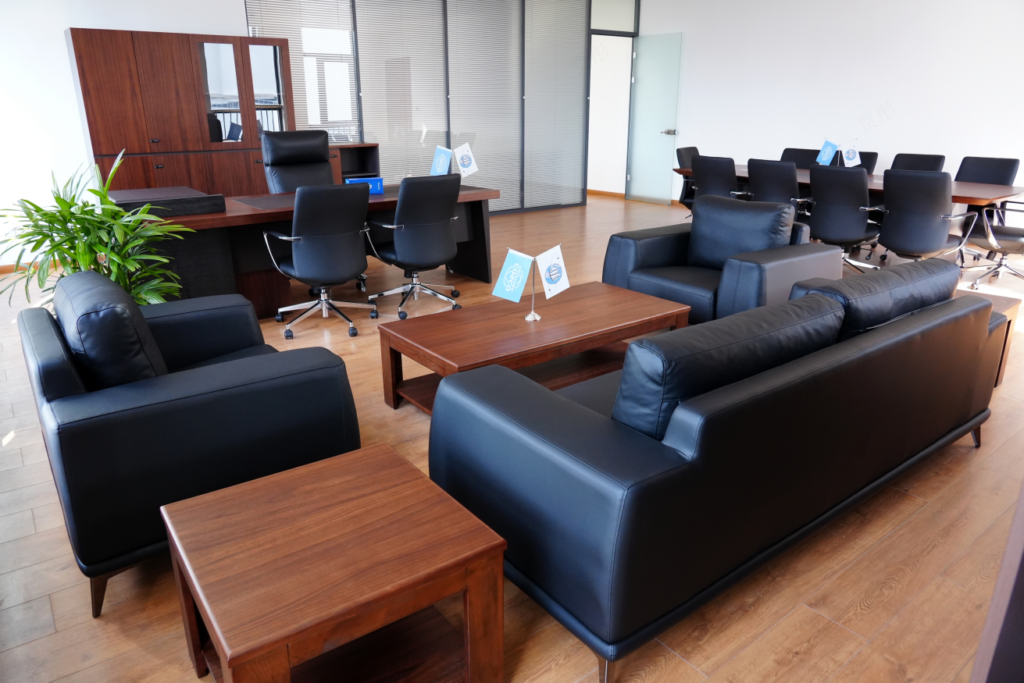
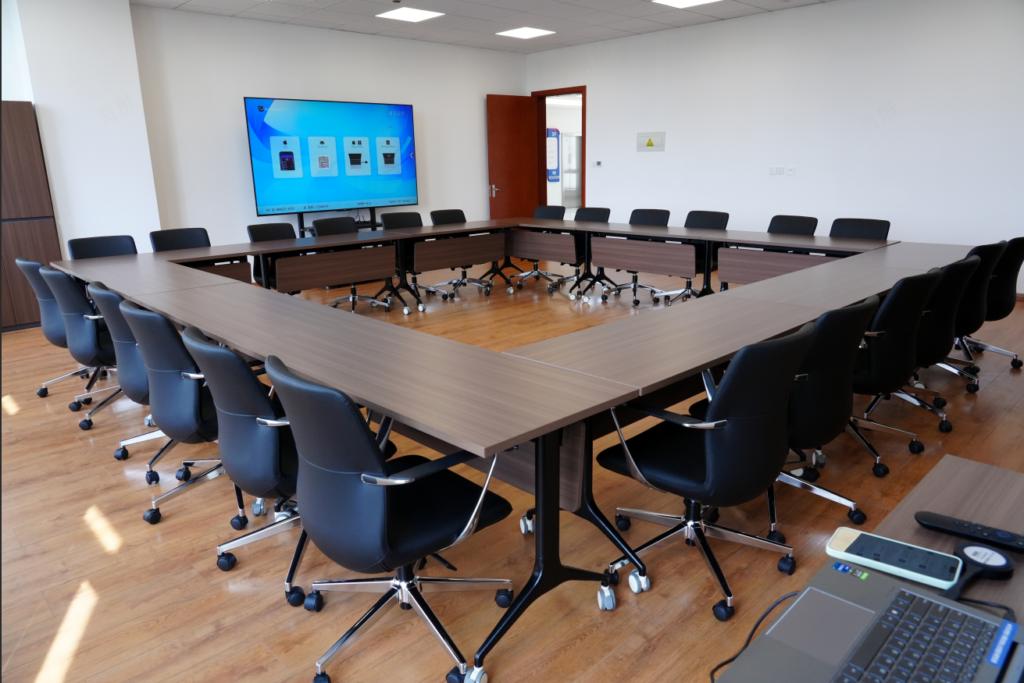
Offices of the IAIN Technical Committee Secretariat
The Shanghai ceremony followed three IAIN meetings held in Fuzhou:the second Officers’ Committee meeting of 2026,the first plenary meeting of the Technical Committee and the International Symposium on Technical Standards for Navigation of MASS. At the symposium, IAIN released its first technical standard, Terminology for Ship Autonomous Navigation Technology. Focusing on maritime autonomous surface ships (MASS), the standard comprises seven modules and 103 terms, including 44 terms drawn from the IMO MASS Code and 59 additional terms developed in light of industry practice.